Thursday, September 17, 2026

UPVC Solvent Cement – Reliable Solvent Welding for UPVC Pipes and Fittings

UPVC solvent cement - Plastochem

When installing a UPVC piping system, the quality of the joint is just as important as the quality of the pipe itself. A good pipe can still develop leakage if the connection between the pipe and fitting is not properly prepared or bonded. UPVC solvent cement is designed to create a strong and durable connection between compatible unplasticized polyvinyl chloride (UPVC) pipes and fittings.

KG PlastoChem provides UPVC solvent cement for applications where dependable pipe joining is required. The product works through a process commonly called solvent welding. Instead of simply sitting between two surfaces like ordinary glue, solvent cement softens the compatible UPVC surfaces. When the pipe and fitting are assembled correctly, the softened surfaces come together and form a unified joint as the solvent evaporates.

For plumbing contractors, construction companies, irrigation installers, industrial users, fabricators and other professionals working with UPVC piping, selecting the appropriate solvent cement and following the recommended joining procedure can help achieve a secure and leak-resistant connection.

What Is UPVC Solvent Cement?

UPVC solvent cement is a specially formulated chemical-welding material used to join compatible unplasticized polyvinyl chloride (UPVC) pipes and fittings. It is commonly used in piping installations where the pipe manufacturer recommends solvent welding as the joining method.

The term "cement" can sometimes be misleading because UPVC solvent cement does not work like conventional adhesive. Its purpose is to chemically soften the mating surfaces of compatible UPVC components. After the pipe is inserted into the fitting and held correctly, the softened surfaces interact and, as the solvent evaporates, the joint becomes a solid connection.

This process can provide a continuous connection between the pipe and fitting when the correct product, compatible materials and proper installation procedure are used.

How Does UPVC Solvent Cement Work?

The working principle of UPVC solvent cement is known as solvent welding. The cement contains solvents and resinous materials formulated for the relevant plastic. When applied to properly prepared UPVC surfaces, the solvent softens the surface layer.

The basic process can be understood in the following stages:

  1. Surface preparation: The pipe and fitting are cleaned and prepared so that dirt, moisture, oil and other contaminants do not interfere with the joint.
  2. Application: The recommended amount of UPVC solvent cement is applied to the appropriate mating surfaces.
  3. Assembly: The pipe is inserted fully into the fitting according to the applicable installation procedure.
  4. Solvent welding: The solvent softens the compatible UPVC surfaces, allowing them to interact at the joint.
  5. Curing: As the solvent evaporates, the joint develops its final strength. The required curing time depends on factors such as pipe size, temperature, humidity, pressure and the cement manufacturer's recommendations.

The result is intended to be a strong, continuous joint rather than a conventional glue layer between two separate materials.

Does Solvent Cement Work on UPVC?

Yes. Solvent cement specifically formulated for UPVC is designed to join compatible UPVC pipes and fittings through solvent welding.

However, not every solvent cement is suitable for every plastic. Different thermoplastic materials can have different chemical compositions and requirements. Therefore, users should always select a cement that is specifically recommended for the type of pipe and fitting being installed.

For example, a product formulated for UPVC should not automatically be assumed to be suitable for CPVC, ABS or another plastic material. Always check the product technical information and the pipe/fitting manufacturer's recommendations before installation.

Major Uses of UPVC Solvent Cement

UPVC solvent cement has applications across plumbing, irrigation, construction and selected industrial piping systems. Its exact suitability depends on the pipe material, operating conditions, pressure, temperature and the manufacturer's specifications.

1. Plumbing Systems

One of the most common applications is joining UPVC pipes and fittings used in plumbing systems. It can be used for compatible cold-water piping, residential plumbing installations and drainage-related applications where solvent-welded UPVC joints are specified.

Plumbers may use solvent cement when connecting straight pipes with fittings such as elbows, tees, couplers, adapters and other compatible components.

A properly prepared solvent-welded connection helps create a continuous joint and can reduce the possibility of leakage caused by an improperly assembled connection.

2. Agricultural Irrigation

UPVC piping is widely used in agricultural and water-distribution applications. Solvent cement can be used for compatible UPVC irrigation systems, including mainlines, sub-mains and lateral connections where solvent-welded joints are specified.

For farmers, irrigation contractors and agricultural infrastructure installers, reliable connections are important because leakage can reduce the efficiency of water distribution.

Before using any solvent cement in an irrigation installation, users should verify that the cement and pipe system are suitable for the expected pressure, temperature and service conditions.

3. Industrial and Chemical Piping

UPVC is used in various industrial environments because of its properties and resistance to many chemicals. Compatible solvent-welded UPVC systems may be used in applications involving selected chemical handling, process water, cooling-water circuits and other fluid-handling systems.

Industrial applications require additional care. Chemical compatibility should never be assumed simply because a pipe is made from UPVC. The pipe, fitting and solvent cement should be checked against the actual fluid, concentration, temperature, pressure and operating environment.

4. Electrical and Construction Conduits

UPVC components are also used for protective conduits and other construction applications. Where solvent welding is specified, solvent cement can help join compatible conduit sections and fittings into a continuous assembly.

Construction applications may include protective housings, underground conduit systems and other installations where compatible UPVC components are used.

5. Drainage and Wastewater Applications

Compatible UPVC drainage pipes and fittings can also be joined using solvent cement where the system design calls for solvent-welded joints.

Because drainage systems can experience movement, temperature changes and different installation conditions, correct pipe preparation, alignment and curing are important for achieving a reliable connection.

Why Is Proper UPVC Solvent Cement Important?

The joint is one of the most critical points in a piping system. Even when high-quality UPVC pipes are used, a poor connection can result in leakage, joint failure or maintenance problems.

A properly selected and correctly applied solvent cement can help create a secure connection between compatible pipe and fitting surfaces.

Important factors include:

  • Using solvent cement formulated for the pipe material.
  • Ensuring the pipe and fitting are compatible.
  • Cleaning the surfaces before application.
  • Removing dirt, grease and moisture.
  • Applying the cement according to the manufacturer's instructions.
  • Making sure the pipe is inserted correctly into the fitting.
  • Allowing adequate curing time before putting the system into service.
  • Considering temperature, humidity, pipe diameter and pressure during installation.

UPVC Solvent Cement vs Ordinary Glue

UPVC solvent cement should not be considered ordinary glue. Conventional glue generally attempts to hold two surfaces together by forming an adhesive layer. Solvent cement works differently.

With a suitable UPVC solvent cement, the solvent interacts with the surface of the compatible plastic. The pipe and fitting surfaces become softened, allowing them to bond together when assembled. Once the solvent evaporates and the joint cures, the connection becomes substantially integrated.

This is why choosing the correct solvent cement for the pipe material is important. The chemical formulation must be compatible with the plastic being joined.

Difference Between UPVC and CPVC Solvent Cement

UPVC and CPVC are different materials, and their solvent cements should not automatically be treated as interchangeable. Solvent cement formulations are developed for particular plastic materials and service conditions.

One of the important differences between UPVC and CPVC piping is their temperature capability. UPVC systems are commonly used for cold-water and other applications within their specified temperature range, while CPVC is designed for applications that can involve higher temperatures, including hot-water systems.

Feature UPVC Solvent Cement CPVC Solvent Cement
Primary material Designed for compatible UPVC/PVC applications Designed for compatible CPVC applications
Typical application focus Cold-water, drainage, irrigation and other specified UPVC systems Hot- and cold-water applications where CPVC is specified
Temperature suitability Generally associated with lower-temperature UPVC applications; always follow the product specification Generally intended for higher-temperature CPVC systems; always follow the product specification
Chemical formulation Formulated for the relevant UPVC/PVC material Formulated specifically for CPVC material
Interchangeability Do not assume compatibility with CPVC Do not assume compatibility with UPVC

The exact temperature limits and standards depend on the particular cement and piping system. Therefore, users should check the technical data supplied with the specific product rather than relying only on general temperature figures.

Can UPVC Solvent Cement Be Used for CPVC?

Users should not assume that UPVC solvent cement can be used for CPVC. CPVC requires a formulation designed for CPVC materials and its intended service conditions.

Similarly, CPVC solvent cement should not automatically be used on UPVC. Different plastics have different chemical characteristics, and using an unsuitable cement can compromise the quality of the joint.

The safest approach is simple: match the solvent cement to the pipe material and follow the pipe and fitting manufacturer's instructions.

Benefits of Using Quality UPVC Solvent Cement

Strong Pipe-to-Fitting Connection

A correctly executed solvent-welded joint can provide a strong connection between compatible UPVC pipe and fittings.

Leak-Resistant Joint

When surfaces are correctly prepared, assembled and cured, the solvent-welded joint is designed to provide a continuous connection that helps prevent leakage.

Suitable for Multiple Applications

Depending on the specific product formulation and approvals, UPVC solvent cement can be used in plumbing, irrigation, drainage, construction and selected industrial applications.

Easy Application for Trained Installers

The solvent-welding process is a commonly used pipe-joining method. With proper preparation and application, professional installers can efficiently connect pipes and fittings.

Professional Finish

A properly completed solvent-welded connection produces a neat and integrated pipe joint without requiring mechanical fasteners at every connection.

How to Apply UPVC Solvent Cement Correctly

For the best results, installation should follow the cement manufacturer's technical instructions and the recommendations of the pipe and fitting manufacturer.

  1. Cut the pipe: Cut the UPVC pipe squarely to the required length.
  2. Remove burrs: Deburr and prepare the pipe end so that it can enter the fitting properly.
  3. Clean the surfaces: Remove dust, dirt, grease and moisture from the mating surfaces.
  4. Check the fit: Confirm that the pipe and fitting are compatible and fit correctly before applying cement.
  5. Apply solvent cement: Apply the recommended cement evenly to the appropriate surfaces using the manufacturer's specified method.
  6. Assemble immediately: Insert the pipe into the fitting fully and correctly.
  7. Hold the joint: Keep the components properly positioned for the recommended initial set period.
  8. Allow curing: Do not subject the joint to pressure or service until the required curing period has been completed.

Curing requirements can vary considerably with pipe diameter, temperature, humidity, pressure and installation conditions. Always follow the product's technical instructions.

Common Mistakes to Avoid

Many joint problems can be avoided by paying attention to installation details.

  • Do not use an unsuitable cement for the pipe material.
  • Do not apply cement over dirty or wet surfaces unless specifically permitted by the product instructions.
  • Do not use excessive or insufficient cement.
  • Do not force an incorrectly sized pipe into a fitting.
  • Do not disturb the joint immediately after assembly.
  • Do not pressurize the piping system before the recommended curing period.
  • Do not mix different solvent cement formulations without confirming compatibility.
  • Do not use a product beyond its shelf life or when its condition has deteriorated.

Choosing the Right UPVC Solvent Cement

Choosing solvent cement should be based on the actual piping application rather than simply selecting the cheapest available product.

Before purchasing, consider:

  • Type of plastic being joined.
  • Pipe and fitting manufacturer recommendations.
  • Pipe diameter.
  • Operating pressure.
  • Operating temperature.
  • Type of fluid being transported.
  • Installation environment.
  • Applicable standards and approvals.
  • Required setting and curing time.
  • Expected service conditions.

For specialized industrial or chemical applications, technical compatibility should be confirmed before installation.

Why Consider KG PlastoChem UPVC Solvent Cement?

KG PlastoChem focuses on construction and chemical solutions designed for practical applications. Its product range includes materials used in waterproofing and related construction requirements.

When purchasing UPVC solvent cement, customers can contact the KG PlastoChem team to discuss their application and determine the appropriate product requirements. Whether you are a plumbing contractor, irrigation installer, construction company, industrial buyer, distributor or project procurement team, providing details about your piping application can help identify the suitable product.

For bulk orders, project requirements and regular supply, customers can also contact the company directly to discuss availability, packaging and commercial requirements.

Who Can Buy UPVC Solvent Cement?

UPVC solvent cement can be relevant to a wide range of professional users, including:

  • Plumbing contractors
  • Building contractors
  • Construction companies
  • Water-treatment installers
  • Agricultural irrigation contractors
  • Industrial piping contractors
  • Electrical and conduit installers
  • Hardware and plumbing retailers
  • UPVC pipe and fitting distributors
  • Infrastructure and project procurement teams

UPVC Solvent Cement for Projects and Bulk Requirements

If you are purchasing solvent cement for a large plumbing, irrigation, construction or industrial project, it is useful to provide the supplier with information about your requirements.

You may provide details such as the type and size of UPVC pipes, fittings being used, approximate quantity, application, operating conditions and delivery location. This information can help the supplier understand your requirement and provide relevant product and commercial information.

Frequently Asked Questions About UPVC Solvent Cement

What is UPVC solvent cement used for?

UPVC solvent cement is used to join compatible UPVC pipes and fittings through a solvent-welding process. Common applications include plumbing, cold-water systems, drainage, irrigation, conduits and selected industrial piping applications.

Is UPVC solvent cement waterproof?

A correctly made solvent-welded UPVC joint is designed to provide a leak-resistant connection. However, joint performance depends on correct material compatibility, surface preparation, application, assembly and curing.

Is UPVC solvent cement the same as PVC glue?

The terms are sometimes used interchangeably in the market, but users should select a product specifically recommended for their particular pipe material and application.

Can UPVC solvent cement be used for hot water?

Do not assume that standard UPVC solvent cement is suitable for hot-water applications. Check the product's specified temperature range and the pipe system manufacturer's requirements. CPVC is commonly used for hot-water applications where the system is designed for it.

How long does UPVC solvent cement take to cure?

Curing time depends on factors including pipe size, temperature, humidity, pressure and the specific cement formulation. Follow the manufacturer's technical data rather than relying on a single general curing time.

Can solvent cement stop a leaking UPVC joint?

Solvent cement is intended to create a properly assembled joint during installation. It should not be treated as a universal repair coating for an already leaking or damaged joint. A damaged connection may need to be dismantled and correctly replaced.

How should UPVC solvent cement be stored?

Store the product according to the manufacturer's instructions. Keep the container properly closed and away from ignition sources, excessive heat and unsuitable storage conditions. Solvent-containing products should be handled in accordance with the relevant safety instructions and product safety documentation.

Safety Precautions

UPVC solvent cement contains volatile chemical solvents and should be handled responsibly. Users should read the product label and applicable Safety Data Sheet before use.

  • Use the product in a well-ventilated area.
  • Avoid unnecessary inhalation of vapors.
  • Keep away from flames, sparks and other ignition sources.
  • Avoid contact with eyes and skin.
  • Use appropriate personal protective equipment as recommended.
  • Keep the container closed when not in use.
  • Keep away from children and unauthorized users.
  • Follow local requirements for storage and disposal.

Get UPVC Solvent Cement from KG PlastoChem

If you are looking for UPVC solvent cement for plumbing, irrigation, drainage, construction or compatible industrial piping applications, KG PlastoChem can help you discuss your product requirement.

Instead of selecting a solvent cement only by price, tell us about your pipe material, application, pipe size, quantity and operating conditions. Our team can help you understand the product requirement and provide relevant information for your project or purchase.

Contact KG PlastoChem for UPVC solvent cement enquiries, product information, bulk requirements and purchase assistance.

Visit KG PlastoChem online to learn more about our products and contact our team for your requirement.

KG PlastoChem – Reliable chemical solutions for construction and piping applications.

Contact Us to Buy UPVC Solvent Cement

Ready to purchase UPVC solvent cement? Contact KG PlastoChem with your requirement. Whether you need a small quantity for a plumbing project or a larger quantity for commercial, industrial, irrigation or construction work, share your requirement with our team.

For UPVC solvent cement product enquiries and purchase assistance, contact KG PlastoChem today.

Website: https://kgplastochem.in/

Phone: +91 9873680640

Email: info@kgplastochem.in

Friday, August 21, 2026

Why uPVC Solvent Cement Is Ideal for High-Pressure Drainage Systems

UPVC Solvent Cement- plastochem


High-pressure drainage systems demand more than strong pipes. They require reliable joints that can withstand continuous pressure, chemical exposure, temperature variations, vibration, and long-term environmental stress. Even when high-quality uPVC pipes and fittings are used, a weak connection can become the most vulnerable point in the entire pipeline.

This is where uPVC solvent cement plays an important role. Designed to chemically bond uPVC pipe and fittings, solvent cement creates a strong and durable joint that helps prevent leakage and supports the long-term performance of drainage and piping systems.

For businesses, contractors, plumbers, infrastructure developers, agricultural projects, and industrial users, selecting the right uPVC pipe jointing solution is therefore just as important as selecting the right pipe.

What Is uPVC Solvent Cement?

uPVC solvent cement is a specially formulated chemical adhesive used to join uPVC pipes and fittings. Unlike conventional glue, it does not simply create a layer of adhesive between two surfaces. Instead, the solvent softens the surfaces of the uPVC components, allowing them to fuse together when the pipe and fitting are properly assembled.

After the solvent evaporates and the joint cures, the connection becomes a strong, integrated structure.

This chemical-welding principle makes uPVC solvent cement particularly useful for plumbing, drainage, agriculture, industrial piping, and other applications where reliable pipe connections are required.

A suitable product can be explored through KG Plastochem's uPVC Solvent Cement, where users can find information about the company's uPVC solvent cement solution.

Why Are Strong Pipe Joints Important in High-Pressure Drainage Systems?

In a conventional drainage application, the pressure inside a pipe may be relatively low. However, high-pressure systems experience substantially greater mechanical and hydraulic stress.

The pressure can put continuous force on pipe joints. If the connection is poorly prepared, incorrectly assembled, or made with an unsuitable bonding material, leakage may eventually occur.

A leaking drainage joint can result in:

  • Water or wastewater leakage

  • Structural damage

  • Soil contamination

  • Unpleasant odours

  • Increased maintenance costs

  • Reduced system efficiency

  • Damage to surrounding infrastructure

  • Unplanned shutdowns in industrial applications

Therefore, the performance of a drainage pipeline depends not only on the pipe material but also on the quality of every connection.

uPVC solvent cement helps create a continuous bond between the pipe and fitting, reducing the possibility of joint failure when the correct product and installation procedure are used.

How Does uPVC Solvent Cement Work?

Understanding how solvent cement works helps explain why it is suitable for demanding piping applications.

Step 1: Pipe and Fitting Preparation

The first step is preparing the pipe and fitting. The surfaces should be clean, dry, and free from dust, grease, moisture, oil, and other contaminants.

A contaminated surface can interfere with the chemical bonding process and reduce joint strength.

The pipe should also be cut as squarely as possible. A clean, straight cut provides better contact between the pipe and fitting.

Step 2: Checking the Joint

Before applying cement, the pipe should be inserted into the fitting without adhesive to check the fit.

This helps identify problems such as:

  • Incorrect pipe size

  • Damaged fittings

  • Excessively loose connections

  • Incorrect insertion depth

The installer should make sure the components are compatible and properly aligned before proceeding.

Step 3: Cleaning the Surfaces

The pipe and fitting surfaces should be cleaned according to the manufacturer's recommended procedure.

Removing contaminants is essential because solvent cement needs direct contact with the uPVC surfaces to create an effective chemical bond.

Step 4: Applying the Solvent Cement

The appropriate uPVC solvent cement is then applied to the joining surfaces.

The cement should be applied evenly without unnecessary excess. The manufacturer's instructions should always be followed regarding application technique, working time, and curing conditions.

Step 5: Joining the Components

The pipe is inserted into the fitting while the cement is still active.

The components should be pushed together firmly and aligned correctly. Depending on the applicable installation standard and manufacturer's instructions, a slight rotational movement may be used during assembly.

The joint should then be held sufficiently long to prevent the components from separating.

Step 6: Allowing the Joint to Cure

The final and highly important stage is curing.

The joint needs sufficient time for the solvent cement to develop its required strength before the pipeline is subjected to operating pressure.

Curing time can vary depending on factors such as:

  • Pipe diameter

  • Temperature

  • Humidity

  • Pipe material

  • Cement formulation

  • Pressure requirements

  • Manufacturer's recommendations

For high-pressure systems, installers should never rush the curing process.

Major Benefits of uPVC Solvent Cement

1. Superior Bonding Strength

One of the biggest advantages of uPVC solvent cement is its ability to create a strong connection between compatible uPVC pipes and fittings.

In a pressure drainage system, joints are exposed to continuous forces. A properly prepared solvent-welded connection can help distribute these forces across the joint rather than relying on a simple mechanical connection.

This makes the joint an integral part of the piping system.

2. Leak-Resistant Connections

Leak prevention is one of the primary reasons solvent cement is used in uPVC piping.

A correctly assembled solvent-welded joint forms a continuous connection between the pipe and fitting. This helps minimize pathways through which water or wastewater could escape.

For drainage systems, preventing leakage is especially important because wastewater may contain chemicals, contaminants, or corrosive substances.

3. Excellent Chemical Resistance

Drainage systems may transport water containing various chemicals and contaminants.

Depending on the application, wastewater can contain acidic or alkaline substances, cleaning chemicals, salts, and other compounds.

uPVC itself is known for its chemical resistance, and a compatible solvent cement system can provide a durable joint suitable for demanding environments.

However, chemical compatibility should always be checked for the specific application before installation.

4. Long-Term Durability

A good-quality solvent cement joint is designed to remain functional over an extended period when properly installed.

This is particularly valuable in buried drainage systems and infrastructure projects where repairing a defective joint can be expensive and disruptive.

Long-term durability can reduce the frequency of repairs and contribute to lower lifecycle maintenance costs.

5. Fast and Convenient Application

Solvent cement systems are relatively straightforward to install when the correct preparation and procedures are followed.

Compared with some complex joining methods, solvent cement can simplify installation and reduce the amount of specialized equipment required.

This can be particularly useful for contractors working on large projects where hundreds or thousands of joints may need to be completed.

6. Reduced Maintenance Requirements

Once a properly prepared and cured joint is installed, it generally requires no routine maintenance simply because it has been bonded.

The absence of frequent mechanical tightening or adjustment can make solvent-welded uPVC piping an efficient option for appropriate drainage applications.

Why uPVC Is Suitable for Drainage Applications

uPVC pipes and fittings are widely used in drainage and plumbing because of their combination of strength, corrosion resistance, relatively low weight, and durability.

Unlike many conventional metal piping materials, uPVC does not rust. This can be an important advantage in environments where water, wastewater, moisture, or chemicals are present.

The smooth internal surface of uPVC piping can also support efficient fluid flow and reduce conditions that encourage deposits inside the pipe.

However, the benefits of uPVC piping can only be fully realized when compatible fittings and a suitable uPVC pipe solvent cement are used.

uPVC Solvent Cement and Pressure Resistance

High-pressure systems require careful consideration of the complete piping assembly.

It is incorrect to assume that solvent cement alone determines the maximum pressure a system can withstand. Actual pressure performance depends on the complete system, including:

  • Pipe material

  • Pipe pressure rating

  • Pipe diameter

  • Fitting design

  • Joint design

  • Installation quality

  • Temperature

  • Fluid characteristics

  • Solvent cement compatibility

  • Curing conditions

Therefore, installers should always select a solvent cement specifically recommended for the intended pipe material and application.

The system should also be designed and tested according to applicable standards and manufacturer recommendations.

Step-by-Step Guide to Choosing the Right uPVC Solvent Cement

Selecting a solvent cement should not be based solely on price.

Step 1: Identify the Pipe Material

First determine whether the piping is uPVC, PVC, CPVC, or another plastic material.

Different plastic materials can require different solvent cement formulations.

Step 2: Determine the Application

Identify whether the product will be used for:

  • Drainage

  • Potable water

  • Agriculture

  • Industrial piping

  • Low-pressure systems

  • Pressure systems

  • Wastewater applications

This helps determine which formulation is appropriate.

Step 3: Check the Pressure Requirement

For pressure applications, verify that the selected cement is suitable for the intended pressure conditions.

The pipe and fitting pressure ratings should also be considered.

Step 4: Review Chemical Compatibility

If the system carries industrial chemicals or aggressive wastewater, evaluate compatibility before installation.

This is particularly important in industrial environments.

Step 5: Check Applicable Standards

Professional projects should use products that meet relevant technical and quality requirements.

Standards and certifications can provide additional assurance that the product has been manufactured and evaluated according to recognized specifications.

Step 6: Follow the Manufacturer's Instructions

Even high-quality solvent cement can fail when used incorrectly.

Always follow the manufacturer's instructions regarding surface preparation, application, assembly, curing, storage, and operating conditions.

Common Installation Mistakes to Avoid

Poor installation can reduce the performance of even a high-quality solvent cement.

Using Dirty or Wet Surfaces

Dust, oil, grease, and moisture can interfere with bonding. Pipe surfaces should be properly prepared before cement application.

Applying Too Much Cement

More cement does not necessarily mean a stronger joint. Excess material can create an improperly formed joint and unnecessary mess.

Use the quantity and application method recommended by the manufacturer.

Incorrect Alignment

The pipe and fitting should be correctly aligned during assembly. Movement immediately after joining can affect joint quality.

Applying Pressure Too Early

One of the most common mistakes is pressurizing a newly assembled system before adequate curing has occurred.

Allow the joint to cure according to the manufacturer's recommended conditions.

Using the Wrong Cement

A solvent cement formulated for one plastic material should not automatically be assumed suitable for another.

Always verify material compatibility.

Why Choose Plastochem Solvent Cement?

Plastochem Fix solvent cements are designed to provide reliable bonding performance for plastic piping applications. The range includes solutions intended for different piping materials and operating requirements, including uPVC, PVC, and CPVC applications.

For users looking for a dependable uPVC solvent cement manufacturer or supplier, product selection should focus on bonding performance, application suitability, durability, safety, and compliance with relevant standards.

Plastochem's approach focuses on providing solvent cement solutions suitable for different piping requirements, including low-pressure and drainage applications.

Plastochem uPVC 206 Solvent Cement

Plastochem's uPVC 206 solvent cement is developed for uPVC piping applications, including low-pressure and drainage systems.

Its applications can include areas such as:

  • Drainage pipelines

  • Potable water-related applications where the complete system and product approvals permit

  • Agricultural pipelines

  • Industrial piping

  • uPVC pipe and fitting connections

The formulation is designed to provide a fast-setting and durable bond when used correctly.

The product is also positioned as a lower-VOC solution, supporting safer handling and environmental considerations. Users should refer to the current product technical documentation and applicable regulations for detailed VOC, safety, and compliance information.

The product is associated with standards such as ASTM requirements, which can provide an important quality benchmark for professional piping applications. Specific standard compliance should always be confirmed against the latest technical data and product documentation.

Applications of uPVC Solvent Cement

The versatility of uPVC solvent cement makes it useful across multiple sectors.

Residential Plumbing

It can be used for suitable uPVC plumbing connections in residential construction where the product and system are approved for the intended service.

Commercial Buildings

Commercial buildings often have extensive drainage networks. Reliable solvent-welded joints can help reduce the risk of leaks and maintenance problems.

Agricultural Pipelines

Agricultural irrigation and water distribution systems require durable connections that can operate in outdoor environments.

Industrial Applications

Industrial facilities may have complex piping networks where chemical resistance, durability, and joint reliability are important.

Drainage Infrastructure

Municipal and private drainage projects can benefit from durable uPVC pipe connections when the pipe system is appropriately designed for the intended service.

How to Achieve a Reliable Leak-Free uPVC Joint

A leak-resistant connection is the result of several factors working together.

First, select a compatible and high-quality solvent cement. Second, use correctly manufactured pipe and fittings. Third, prepare the surfaces properly. Fourth, apply the cement according to the manufacturer's instructions. Fifth, assemble the joint correctly. Finally, allow adequate curing time before the system is put into service.

In other words:

Quality product + correct preparation + correct application + adequate curing = reliable uPVC pipe joint.

Why Product Quality Matters

Solvent cement is a relatively small component of an entire piping project, but its role is critical.

A pipeline may contain high-quality pipes, fittings, pumps, valves, and other components. However, if the joints are poorly bonded, the complete system can still experience leakage or failure.

This is why contractors and project managers should not select solvent cement based solely on cost.

A quality product should provide consistent performance, reliable bonding, appropriate setting characteristics, and suitability for the intended application.

Final Thoughts

High-pressure drainage systems require reliable pipe connections that can withstand demanding operating conditions. uPVC solvent cement provides an effective chemical bonding method for compatible uPVC pipes and fittings, helping create strong, durable, and leak-resistant joints.

Its advantages include strong bonding, ease of application, chemical resistance, durability, and reduced maintenance requirements. However, successful performance depends on selecting the correct product and following proper installation procedures.

For drainage, agricultural, potable-water-related, or industrial applications, always evaluate the complete piping system rather than considering the solvent cement in isolation.

If you are looking for a reliable uPVC solvent cement solution, explore KG Plastochem's uPVC Solvent Cement product for more information about the available product and application.

Choosing the right solvent cement, preparing the pipe correctly, applying the product according to technical instructions, and allowing sufficient curing time can make a significant difference to the reliability and service life of a uPVC piping system.

For professional projects, always consult the manufacturer's latest technical data sheet, safety documentation, applicable standards, and project-specific pressure and chemical compatibility requirements before installation. 

Friday, July 31, 2026

Waterproofing Glue – Complete Product Guide & Usage Steps

Introduction to Waterproof Glue

Waterproofing Glue Plastochem 555 Clearguard

Waterproof glue is specially designed to maintain strong bonding even when exposed to water, moisture, or humid environments. Among the top-performing solutions in this category is Plastochem 555 Clearguard Hot Melt Adhesive, a reliable and high-performance adhesive developed for industries and applications where durability and water resistance are critical.

About Plastochem 555 Clearguard

Plastochem 555 Clearguard is an advanced waterproof hot melt adhesive that offers excellent bonding strength along with superior resistance to water and environmental conditions. Its hydrophobic formulation prevents water penetration, ensuring long-lasting performance even in wet or high-moisture environments.

Key Features & Benefits

  • Waterproof & Moisture Resistant: Maintains bond strength even when exposed to water.
  • High Durability: Designed for long-term performance in demanding conditions.
  • Strong Adhesion: Bonds a variety of materials including wood, plastic, and more.
  • Fast Setting: Quick application and curing for improved productivity.
  • Versatile Use: Suitable for woodworking, construction, automotive, and electronics.

Applications

  • Woodworking and furniture bonding
  • Construction and waterproof sealing
  • Automotive component assembly
  • Electronics protection from moisture
  • General industrial bonding tasks

Steps to Use Waterproofing Glue

  1. Surface Preparation: Ensure surfaces are clean, dry, and free from dust, oil, or grease.
  2. Heat the Adhesive: Load the glue into a hot melt applicator or glue gun and allow it to reach the recommended temperature.
  3. Apply the Glue: Apply an even layer of Plastochem 555 Clearguard on one of the surfaces to be bonded.
  4. Join the Surfaces: Immediately press the surfaces together firmly to ensure proper bonding.
  5. Hold & Set: Maintain pressure for a few seconds until the adhesive begins to set.
  6. Cooling Time: Allow the bond to cool and cure completely for maximum strength.
  7. Final Check: Inspect the bond to ensure proper adhesion and waterproof sealing.

Why Choose Plastochem 555 Clearguard?

If you need a reliable waterproof adhesive that delivers consistent performance, Plastochem 555 Clearguard is an excellent choice. It combines strength, flexibility, and resistance to moisture, making it suitable for both industrial and everyday applications.

Get More Information

For detailed specifications and product inquiries, visit:
https://kgplastochem.in/product/waterproofing-glue/

Wednesday, October 15, 2025

PVC Solvent Cement vs. PVC Glue: What’s the Difference?

 Although the terms PVC glue and PVC solvent cement are often used interchangeably, especially in casual conversation, they are not the same—and that difference matters, especially for professionals working with plastic piping systems.


✅ What is PVC Glue?

  • "Glue" typically refers to adhesives like PVA glue, epoxy, or super glue, which work by sticking two surfaces together through a superficial bond.

  • These glues are ideal for crafts, woodworking, or general use—but not for PVC piping.

  • Adhesives do not chemically alter the materials they bond.


🔧 What is PVC Solvent Cement?

  • PVC solvent cement isn’t a glue—it's a chemical welding agent.

  • It works by softening the surface of PVC pipes and fittings at a molecular level.

  • When the softened surfaces are joined and allowed to cure, their molecules interlock, creating a single, fused piece.

  • This process is called interpenetrating polymer network (IPN) entanglement, and the result is a bond stronger than the pipe itself.


🛠️ Why This Matters

  • Solvent cement ensures leak-proof, pressure-resistant joints critical for systems that handle:

    • Water transport

    • Chemical processing

    • Pool and spa operations

  • PVC glue or other adhesives cannot provide this level of durability and safety.


📌 Bottom Line

PVC glue just sticks things together. PVC solvent cement chemically bonds them into one.

So, next time you're working with plastic piping, skip the "glue" and reach for Weld-On PVC solvent cement—because when failure is not an option, bonding strength is everything.

Friday, September 26, 2025

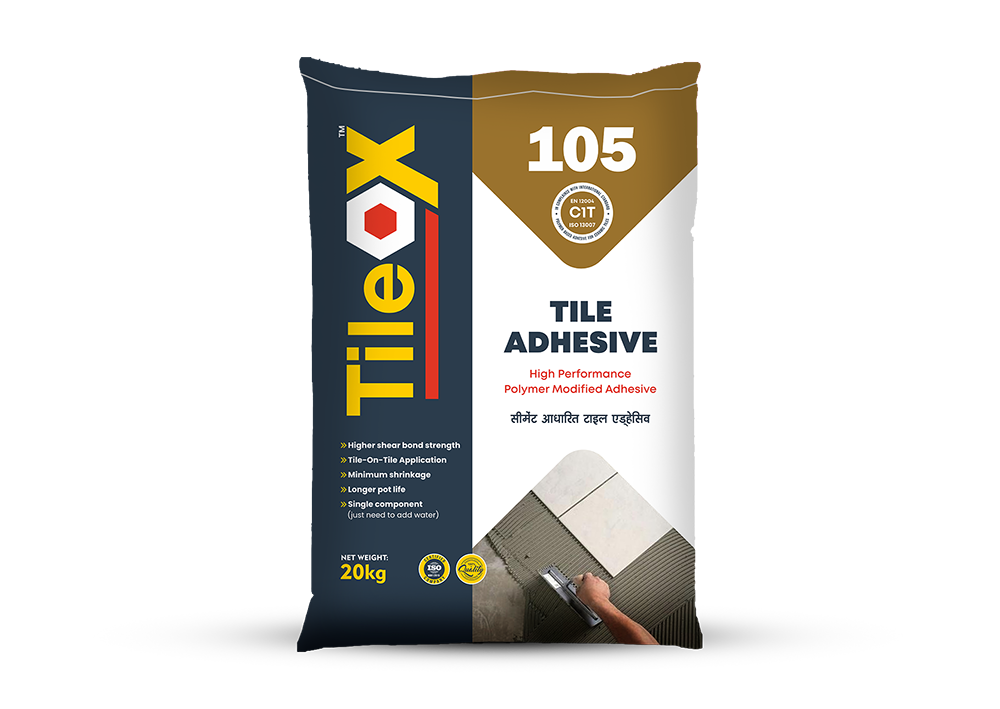
Benefits of Using Tile Adhesive for Tile Installation | TileOx Delhi

When it comes to tile installation, precision and durability matter the most. While cement was once the go-to option, modern tile adhesive has completely transformed the way tiles are installed. From strong bonding power to faster application, tile adhesive ensures your tiles not only look stunning but also last for years.


At TileOx, Delhi, we provide high-quality tile adhesives engineered for all kinds of projects—whether residential, commercial, or industrial.

📍 TileOx Contact
3359, Amba House, Hauz Qazi, Delhi-110006
☎ +91-11-49091506, 23271908, 23251908
📱 +91 9873680640
📧 info@kgplastochem.in

What Is Tile Adhesive?
Tile adhesive is a specially formulated product designed to firmly bond tiles to floors, walls, countertops, and other surfaces. Unlike traditional cement, tile adhesive contains a balanced mix of Ordinary Portland Cement (OPC), polymers, additives, and aggregates for maximum strength and flexibility.

It comes in two forms:
• Ready-to-use paste – for quick and convenient application.
• Dry mix – simply add water to prepare.
Whether you’re working on ceramic tiles, porcelain tiles, glass mosaics, or natural stones, the right adhesive ensures a flawless and long-lasting installation.


Types of Tile Adhesives
Depending on your project, tile adhesives are classified into several types:
• Type 1: Best for smaller ceramic or clay tiles in dry indoor areas.
• Type 2: Water-resistant, perfect for bathrooms, kitchens, and outdoor spaces. Works well with vitrified tiles and mosaics.
• Type 3: Specially formulated for exterior walls and high-exposure surfaces.
• Type 4: Ideal for dry wallboard installations, compatible with multiple stone and tile types.
• Type 5: Designed for glass, metal, and engineered stone tiles.
👉 For pools, spas, and water features, pool tile adhesive is recommended as it resists continuous water immersion.

Key Benefits of Using Tile Adhesive
1. Superior Bonding Strength
Tile adhesive provides long-lasting attachment between the tile and surface, preventing shifting, cracking, or hollow spots. Its polymer-enhanced formula makes it highly durable, even in high-traffic or high-moisture areas like kitchens and bathrooms.
2. Water & Heat Resistance
Most tile adhesives are water-resistant, making them perfect for wet areas such as showers and bathtubs. Specialized formulations even offer heat resistance up to 1000°C, making them ideal for fireplaces and high-temperature zones.
3. Easy & Faster Installation
Unlike cement, tile adhesive offers quick mixing, even spreading, and easy adjustment time. It eliminates the need for water curing and significantly reduces installation time and labour costs.
4. Professional Aesthetics
Thin and even application ensures a clean, polished look with precise tile alignment. Perfect for kitchens, bathrooms, and commercial interiors where finish matters most.
5. Cost-Effective in the Long Run
While the tile adhesive price may be slightly higher than cement, its durability, reduced wastage, and lower labour costs make it far more economical. No cracks, no frequent repairs—just a smart investment.
Choosing the Right Tile Adhesive
Here’s how to select the best product for your project:
• Ceramic Tile Adhesive – for regular walls and floors.
• Porcelain Tile Adhesive – for dense, low-porosity tiles.
• Waterproof Tile Adhesive – for bathrooms, kitchens, and wet areas.
• Pool Tile Adhesive – for swimming pools, spas, and fountains.
• Wall Tile Adhesive – for drywall and vertical applications.
Common Mistakes to Avoid
• Applying adhesive too thickly.
• Using the wrong adhesive for heavy-duty or wet areas.
• Not cleaning the surface before application.
• Ignoring mixing and curing instructions.
By avoiding these errors, you ensure a long-lasting, flawless tile installation.
Why Choose TileOx for Tile Adhesive in Delhi?
At TileOx, we provide high-quality tile adhesives that guarantee strength, durability, and perfect finishes for all your projects. With years of expertise and a trusted customer base, we are your reliable partner for tile installation solutions.
📍 TileOx Contact
3359, Amba House, Hauz Qazi, Delhi-110006
☎ +91-11-49091506, 23271908, 23251908
📱 +91 9873680640
📧 info@kgplastochem.in
✅ Choose TileOx – for strong, smooth, and lasting tile installations!

Friday, September 12, 2025

The Importance of High-Quality Tile Adhesive: Investing in Durability and Longevity

 When it comes to construction or renovation, the success and longevity of your project depend on choosing the right materials. One of the most crucial yet often overlooked components is tile adhesive—the foundation that ensures tiles remain firmly in place on walls and floors.

TILE ADHESIVE

Using high-quality tile adhesive is not just about sticking tiles—it’s about ensuring strength, safety, durability, and a flawless finish. On the other hand, poor-quality adhesives can lead to serious problems such as loose tiles, cracks, or even accidents. That’s why investing in superior tile adhesive is a smart decision that guarantees long-term results.

Why Is High-Quality Tile Adhesive So Important?

1. Stronger Bond

Premium adhesives create a firm and lasting bond between tiles and substrates, preventing issues like cracking, chipping, or loosening. This is vital in high-traffic areas such as kitchens, bathrooms, and commercial spaces. High-quality adhesives are designed to resist degradation, keeping tiles securely in place for years.

2. Enhanced Durability

A reliable adhesive enhances the overall durability of tile installations, ensuring they withstand moisture, temperature changes, wear and tear, and harsh weather conditions without compromise.

3. Assured Safety

Loose tiles are not only inconvenient but dangerous. In spaces like bathrooms and kitchens, strong adhesion prevents slips and falls. Moreover, low-VOC adhesives are preferred as they ensure healthier indoor air quality and reduce exposure to harmful chemicals.

4. Long Open Time

Top-grade adhesives allow more working time after mixing—giving technicians the flexibility to position tiles precisely without rushing, ensuring accuracy and a professional finish.

5. Thermo-Resilience

In a country like India, where temperatures fluctuate seasonally, high-quality adhesives maintain their strength and stability, keeping tiles intact despite weather variations.

6. Resistance to Chemicals and Stains

Industrial kitchens, laboratories, and factories expose tiles to harsh cleaning agents and chemical spills. Premium adhesives resist these substances, protecting bond strength and preventing premature damage.

7. Time and Cost Efficiency

While superior adhesives may cost more initially, they reduce long-term expenses by minimizing repairs, replacements, and maintenance. Easy-to-use formulations also save time during application.

Verdict: Choose TileOX for Superior Performance

TileOX delivers extraordinary bonding solutions for ceramic, clay, and vitrified tiles. Backed by the “Power of 4 Aces”—Adhesion, Accessibility, Application, and Aqua Safety—TileOX adhesives ensure unmatched durability, safety, and precision.

👉 For a flawless, long-lasting tile installation, choose TileOX Tile Adhesives—where strength meets perfection.

Plastochem

Thursday, September 4, 2025

Plastochem SmartCare Solutions – Best Waterproofing Chemicals & Products

water proofing compound

 Waterproofing is the process of making a structure resistant to water penetration. It helps reduce humidity indoors, prevents seepage, and minimizes long-term structural damage caused by water exposure. Choosing the right waterproofing chemicals for concrete and cement structures is crucial for durability and protection.

Below is a curated list of the best waterproofing chemicals and products from Plastochem SmartCare Solutions.

Best Waterproofing Chemicals

1. Grout and Epoxy

  • Ideal for cement and concrete structures to prevent crack formation and spread.

  • Injected into cracks or drilled holes to form a sealant barrier.

  • Provides strong, water-resistant protection.

2. Vinyl Ester Resin

  • Best for concrete surfaces exposed to acids or corrosive environments.

  • Creates a durable waterproof membrane against moisture and chemical damage.

3. Polyurethane

  • Premium waterproofing chemical for plastered walls and roofs.

  • Highly effective for exposed surfaces.

  • Considered one of the most expensive waterproofing methods.

4. Polyurea

  • A flexible, resilient, and antibacterial coating.

  • Known for excellent water resistance, abrasion resistance, and strength.

  • Highly effective for wall plaster applications.

5. Poly Acrylic

  • Commonly used for concrete, slabs, walls, and terraces.

  • Superior quality waterproofing chemical often mixed with cement to seal cracks.

  • Requires expert application for best results.

Best SmartCare Waterproofing Products

🔹 Vitalia Neo

  • An integral liquid waterproofing compound.

  • Provides superior plasticizing for cement, concrete, mortar, and plaster.

  • Strengthens mixtures, reduces water permeability, and resists shrinkage cracks.

🔹 Repair Polymer

  • SBR-based economical repair & preventive coating.

  • Strong bonding agent for old and new concrete surfaces.

  • Ideal for repairing spalled concrete floors, slabs, beams, and chajjas.

Benefits of Home Waterproofing

✔️ Prevents unwanted moisture seepage into walls.
✔️ Protects structural integrity by reducing damage from water ingress.
✔️ Prevents rusting of metal and decay of wood caused by dampness.
✔️ Increases the durability and life of your home.

✨ With Plastochem SmartCare Solutions, you get access to the most effective waterproofing chemicals